This article covers:
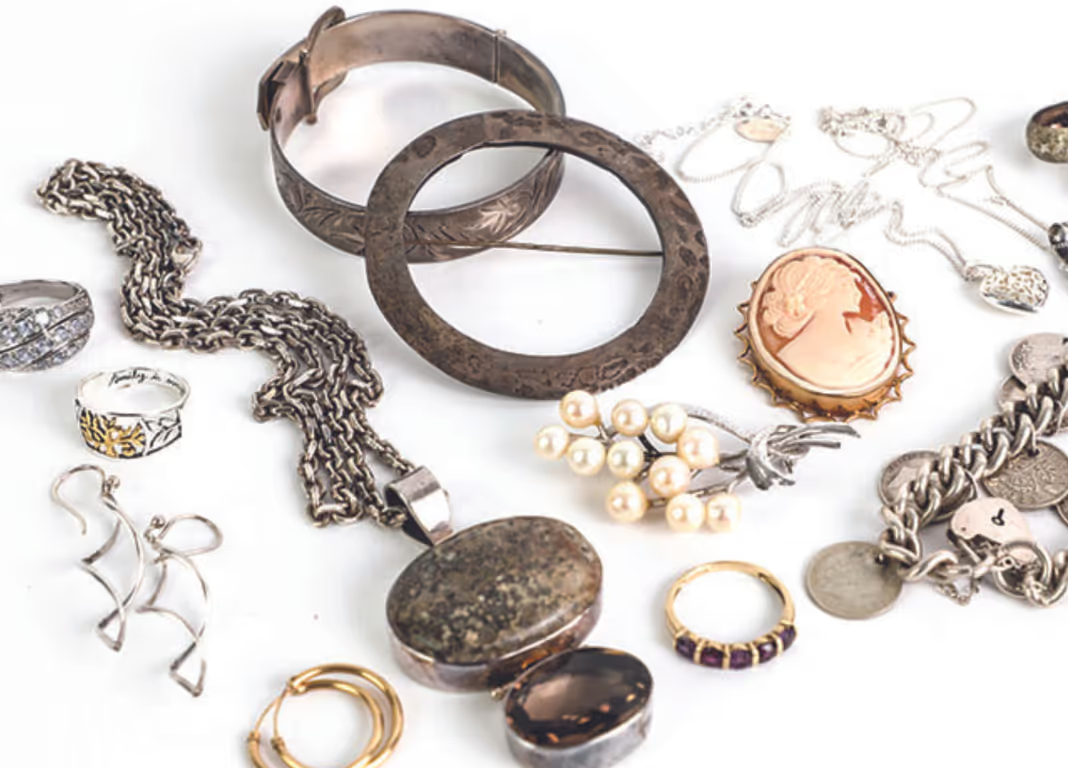
When you have a jewellery box or bedside drawer that’s filled with all kinds of jewellery, it’s easy to be dismissive of the pieces in your collection. Whether they’re broken, or unloved, you’re unsure of their origin or you have a box filled with costume jewellery and precious stones, don’t allow yourself to be convinced that they’re of no value - especially if you’re thinking about getting rid of them.
Whether you have treasured possessions or long-forgotten trinkets you no longer wear sitting at the bottom of a drawer, the value of your jewellery is dependent on multiple factors. And it's combination of these factors that will ultimately contribute to the overall value of the pieces in your collection. Below we’ve outlined what some of these factors are:
Jewellery made of precious metals like gold, silver and platinum will always be worth something. How much also depends on the carat of the metal (9, 18, 24 etc) - the higher the karat, the more valuable the piece will be.
Gemstones that can make your jewellery valuable include diamonds, rubies, sapphires and emeralds. The rarity and quality of these gemstones will also have an impact on their current value. Other characteristics of precious stones include:
Whether you have an old engagement ring you want rid of or a box filled with vintage pieces and costume jewellery, the craftsmanship of each piece will also play a part in helping you determine its value.
Many of us are familiar with the names of highly valued jewellery brands that will certainly give any piece of jewellery a higher valuation. Some of the most well-known include:
If you have individual items, dating back to Victorian times, antique pieces, something from the art nouveau era or something of cultural significance, then this can certainly impact the value of your jewellery.
When asking yourself how much is my jewellery worth, don't be put off by its condition. Of course, jewellery that is in great condition will always have a positive impact on its value but jewellery in any state whether it's tarnished or broken will still have monetary value.
All types of jewellery are worth something. While it's natural to look for heavy necklaces, rings and glittering gemstones, remember that even if you have a jewellery box stuffed with costume jewellery, even these pretty pieces can be worth something - there are just different features and characteristics that make them valuable.
While fashion jewellery is often made of lower-value materials, and you're more likely to find it on the high street than a jeweller's shop window, there are plenty of other features that can impact its value:
There will always be a market for fine jewellery, and knowing what to look for within your collection means you won't have to waste time and energy selling items that are not worth much. Take a look out for these features:
There are multiple ways you can identify the type of metal you have in your jewellery box at home. Here are some top tips for testing the pieces in your collection:
The hallmarks in your jewellery indicate the purity of the metal and therefore its potential value. This is depicted as a percentage - for example, sterling silver jewellery is marked with "925" as sterling silver is considered to be 92.5% pure silver. And the hallmark 999 on a gold item would indicate it is 99% pure gold.
In general terms, pieces of jewellery where you can easily see a maker's mark are more valuable than unmarked pieces, all else being equal. These marks are often depicted as symbols or shapes and are stamped into the metal. There are dozens of different types of maker's marks and you can find a detailed description of these online.
If you're unsure if your collection contains precious metals or not, then get your jewellery close to a magnet. Most precious metals are not magnetic, so this is a simple test you can conduct without using a registered valuer.
Simply put: Yes! While costume jewellery isn't valued the same and might not share the same intrinsic value as traditional fine jewellery, fashion pieces can still be sold for a cash injection. This could mean that any art nouveau, vintage rhinestone, art deco pieces or rare glass items you have at home could be worth something!
Once you know what you're looking for, telling real and costume jewellery apart is quite straightforward. All you need to consider are the factors we've mentioned above. Generally, you'll find that costume pieces are much lighter than finer jewellery and often have imitation gemstones or stones of a lower value. In contrast, finer jewellery is much heavier and will usually carry hallmarks that indicate its purity.
Despite these stark differences, it's helpful to remember that all jewellery has value and if you're looking to get rid of unwanted things or simply enjoy a cash boost, then it's worth selling your old and unwanted jewellery.
Final Thoughts
No matter what kind of jewellery you have, whether it's some finer pieces simply sitting in a drawer, long-forgotten rings in your jewellery box or you've inherited some costume pieces from a relative, it makes sense to declutter, sell your items online and enjoy a quick cash boost in the process - remember, nearly all jewellery is worth something!
Our friendly online customer support team will answer your questions seven days a week.